

The Expected Value of Plinko: A Comprehensive Overview
If you are a fan of games of chance, you may have heard of Plinko expected value per drop Plinko, a game that has captivated players with its blend of luck and strategy. Understanding the expected value per drop in Plinko can significantly enhance your gaming experience and improve your chances of winning. In this article, we will delve deep into the concept of expected value, how it applies to Plinko, and how you can use this knowledge to devise your betting strategies.
What is Expected Value?
Expected value (EV) is a fundamental concept in probability and statistics that represents the average outcome of a probabilistic event. In simpler terms, it is the weighted average of all possible outcomes, calculated by multiplying each outcome by the probability of that outcome occurring. The formula for expected value is:
EV = Σ (Probability of outcome x Value of outcome)
In the context of gambling and games like Plinko, understanding the expected value allows players to assess the long-term potential of their bets and makes it easier to make informed decisions where money is at stake.
Plinko Basics
Plinko is a popular game often associated with carnival fun and game shows, with the most famous version featured on “The Price is Right.” Players drop a disc from the top of a sloped board filled with pegs. As the disc bounces off the pegs, it randomly lands in one of several slots at the bottom, each of which is associated with a different payout.
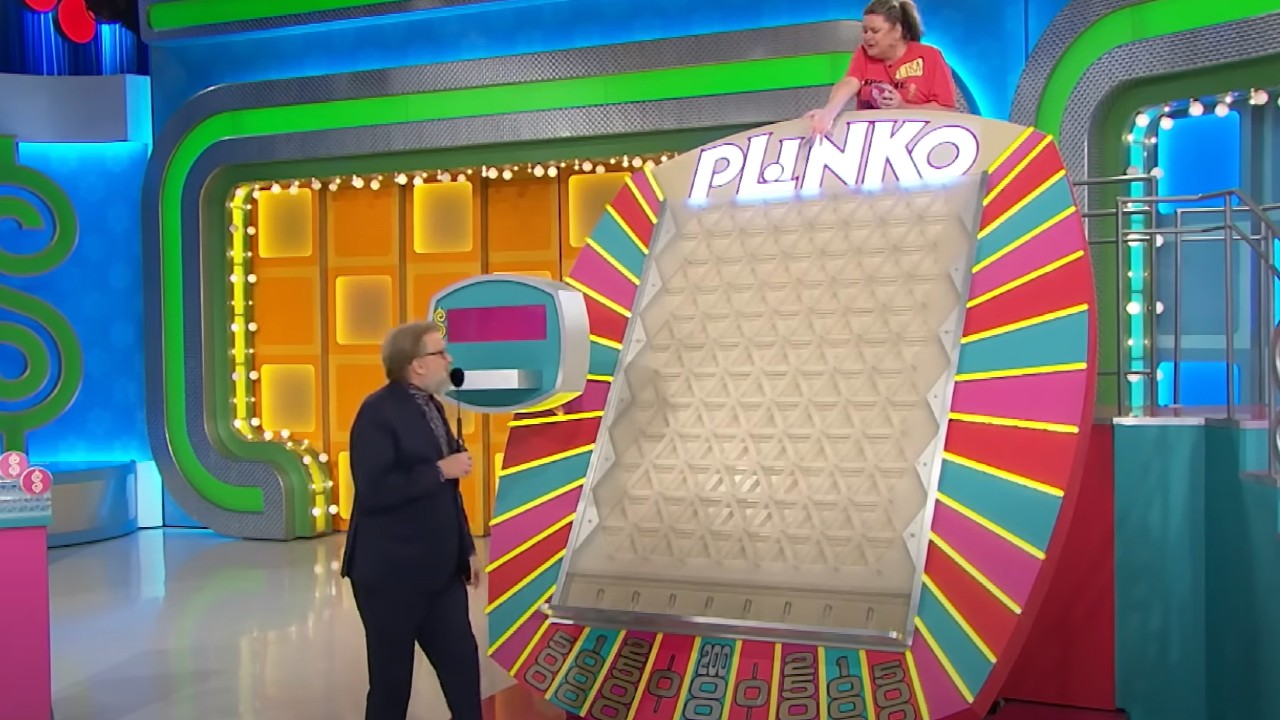
Due to the randomness and the various routes the disc can take, calculating the expected value per drop involves consideration of the probability of landing in each slot and the associated payout.
Calculating Payouts and Probabilities
To accurately calculate the expected value of a drop in Plinko, you must first identify the payout structure of the game. Let’s assume the following simple payout structure:
- Slot A: $0 (1/10 chance)
- Slot B: $1 (2/10 chance)
- Slot C: $5 (3/10 chance)
- Slot D: $10 (4/10 chance)
To find the expected value, you would conduct the following calculation:
    EV = (0 * 0.1) + (1 * 0.2) + (5 * 0.3) + (10 * 0.4)
    EV = 0 + 0.2 + 1.5 + 4.0
    EV = 5.7
This means that, on average, each drop in this version of Plinko has an expected value of $5.70. This value can allow players to understand how much they can expect to win over time.
Factors Affecting Expected Value
While the calculations above provide a theoretical expected value, various factors can influence actual outcomes in a game of Plinko:
- Board design: The arrangement of pegs and slots can differ, modifying the chances of landing in high-payout slots.
- Player strategy: Some players might develop specific strategies or techniques for dropping the disc to maximize their chances of landing in desired slots.
- House edge: Many casino versions of Plinko incorporate a house edge, meaning that the expected value will be lower than calculated due to the odds being stacked slightly against the player.
- Randomness: Every drop is independent, and whereas expected value gives a long-term average, it does not guarantee short-term results or predict outcomes for a small number of drops.
Using Expected Value to Inform Strategy
Understanding expected value can significantly change your approach to playing Plinko. Here are some strategies for using EV in your favor:
- Play for Higher EV: Always try to identify versions of the game with a higher expected value. If possible, choose games that offer better payout ratios.
- Manage Your Bankroll: By understanding EV, you can better manage your bankroll and determine how much you should be willing to risk on each drop.
- Adjust Risk Levels: If you understand the EV of a drop, you can adjust the amount you’re willing to bet based on your comfort with the risk and potential payout.
Practical Application of Expected Value
As we’ve noted, the expected value per drop is only one part of the overall gaming strategy. Here’s how to apply your knowledge practically:
- Gather as much information as you can about different versions of Plinko.
- Play frequently to observe and understand the behavior of the game.
- Share experiences with other players to learn from their strategies and outcomes.
Conclusion
In conclusion, understanding the expected value of each drop in Plinko is not just a way to engage with the game more thoughtfully; it can also lead to improved decision-making and potentially enhance your winnings. By considering the probabilities and payouts, you empower yourself to play smarter. Remember, while Plinko is a game of chance, making informed choices can better your odds in this unpredictable yet enthralling game.